

More Than Robots South West England Hub
We’re Building the Next Generation of Problem Solvers.
Hands-on engineering, autonomous programming and real-world collaboration. Through the FIRST Tech Challenge programme, Cognition Learning is empowering young people aged 12-18 to design, build and code industry-grade technology.
Impact by the Numbers

Fully-funded registrations
40
Teams across local secondary schools, FE colleges and community cohorts.

Industry Mentor & Volunteers
80+
Opportunities to support next-generation talent.

Regional Events
3
Local qualifier events providing regional accessibility.
Let’s chat
If you’re a team or mentor participating in the current season, book in a support call with us.
Applications are closed for the 2026/27 season, but if you’re interested in bringing FIRST Tech Challenge to your school or college for the 2027/28 season then book a 30-minute call with the team to learn how to get involved.
You can also email
Regional Hub & BIOBUZZ 2026/27 resources
Unsure about a robot dimension restriction, scoring nuance, or autonomous rule? Teams can query the official FIRST AI assistant, trained directly on the active season Competition Manuals.
Investing in the
South West
The South West thrives on world-leading marine, defence, and tech sectors, but too many local students miss out on the opportunities that unlock these futures.
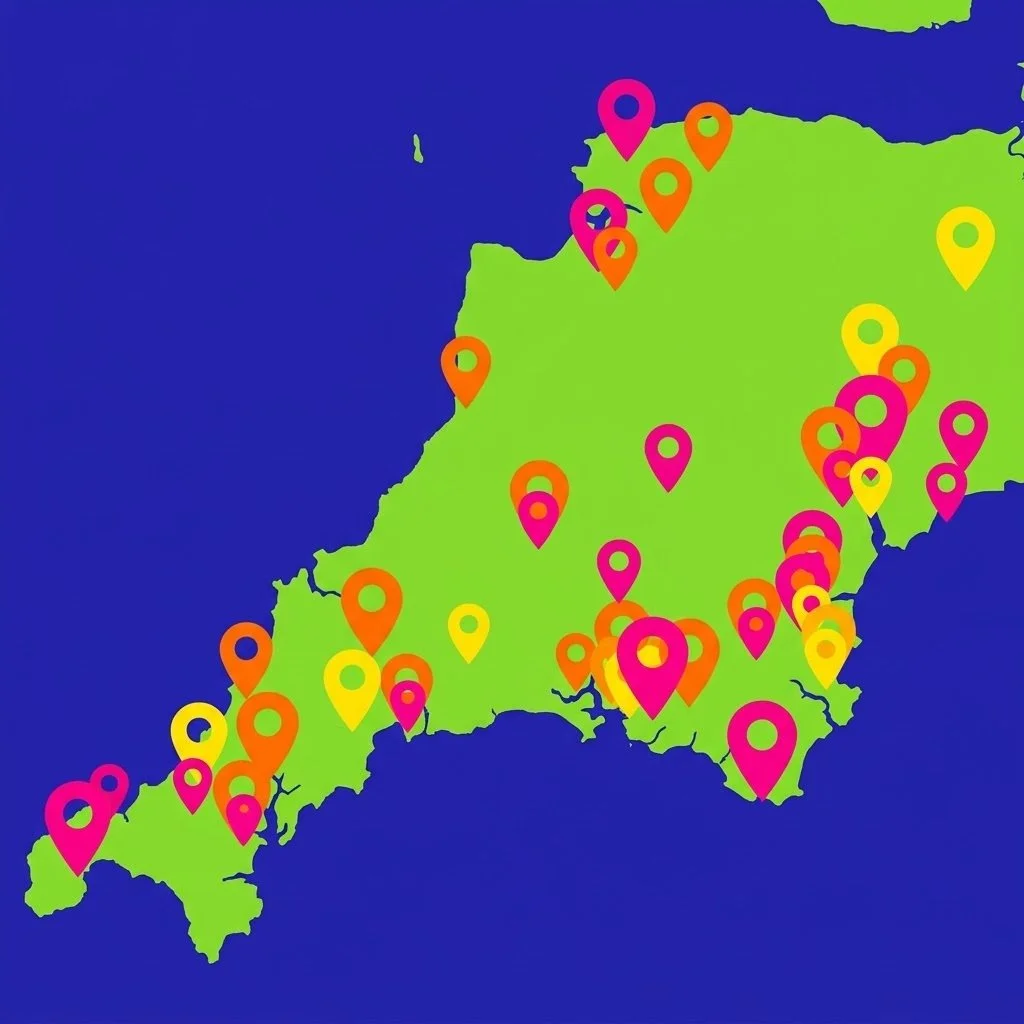
Regional hubs in Plymouth, Exeter and Truro provide teams with training, support and events.
Brought to Devon and Cornwall for the first time by Cognition Learning, FIRST Tech Challenge is bridging this gap. Part of an established international movement active in the UK since 2019, the programme unites schools, colleges, and industry mentors. Together, they empower the next generation through hands-on robotics, professional mentorship, and authentic engineering challenges.
What Students Master Inside FTC
FIRST Tech Challenge isn't just about putting metal together - it runs like an agile tech startup.
-
3D modelling in Onshape, laser cutting, 3D printing custom brackets, and precision drivetrain assembly under tight size and weight limits.
-
Real-world Java development, integrating sensor arrays, computer vision (AprilTags), and autonomous navigation routines.
-
Professional technical writing, iterative design logs, project retrospectives, and documenting failures just like working engineers.
-
Public speaking in front of industry judges, securing team sponsorships, managing budgets, and running STEM demos for primary pupils.
Delivered Through Partnership
Programme Delivery


Regional Partners


